Table of Contents
Oxidative stress is an imbalance between free radicals and antioxidants that can accelerate aging and increase the risk of diseases. Check its symptoms, causes, and effective ways to protect the body.
What is oxidative stress?

Oxidative stress occurs when the balance between free radicals and antioxidants—substances that neutralize their harmful effects—is disturbed in the body.
Free radicals are reactive oxygen molecules that are produced naturally during metabolic processes.
They are needed in moderate amounts, for example to fight bacteria or to regulate certain cellular processes.
The problem arises when the body produces too many of them or cannot effectively eliminate them.
In practice, this can be compared to an engine that produces exhaust while running.
If the ventilation system works properly, everything stays under control, but if filters are missing, toxic substances start to accumulate. And that causes damage.
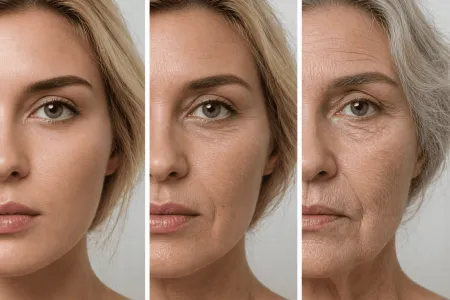
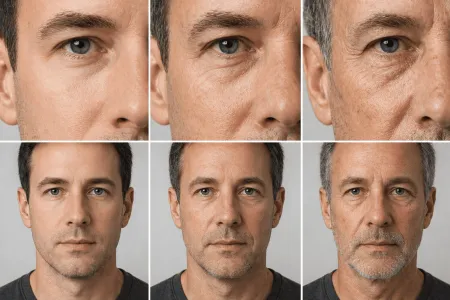
The same happens in the body—an excess of free radicals can damage cells, proteins, and even genetic material, accelerating aging and increasing the risk of many chronic diseases, including diabetes, hypertension, and certain cancers.
It can also negatively affect fertility and the body's overall performance.
Where does oxidative stress come from?
Sources of oxidative stress can be divided into internal (endogenous) and external (exogenous).
The first are natural processes that occur in the body, such as cellular respiration (energy is produced in the mitochondria, and free radicals are a by-product of this process) or inflammation (free radicals are produced in response to infections or injuries).
The second group of factors influencing oxidative stress is related to lifestyle and the environment we live in, such as air pollution, UV radiation, a diet low in antioxidants, or smoking.
How can you recognize it?
Oxidative stress causes a lot of damage in the body. The problem is that its effects are insidious and long-term, as it leads to cellular damage that can remain unnoticed for a long time.
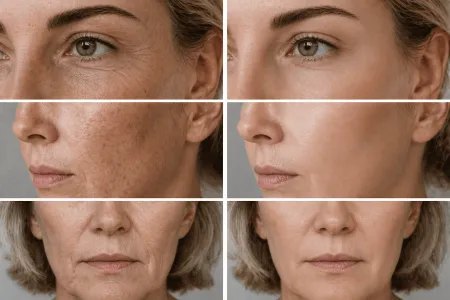
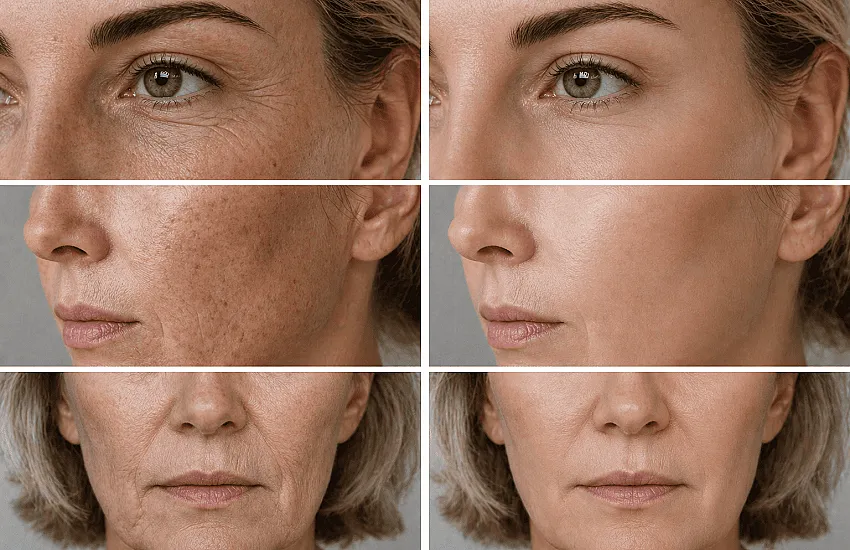
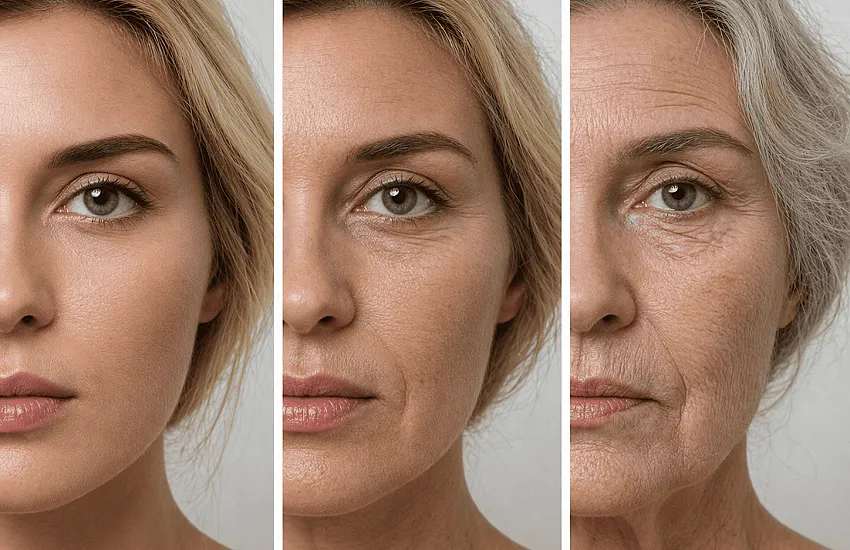
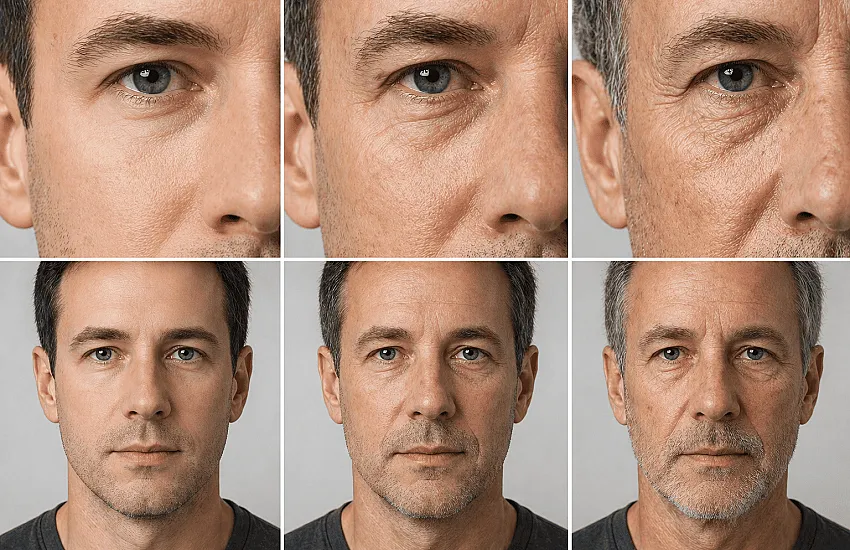
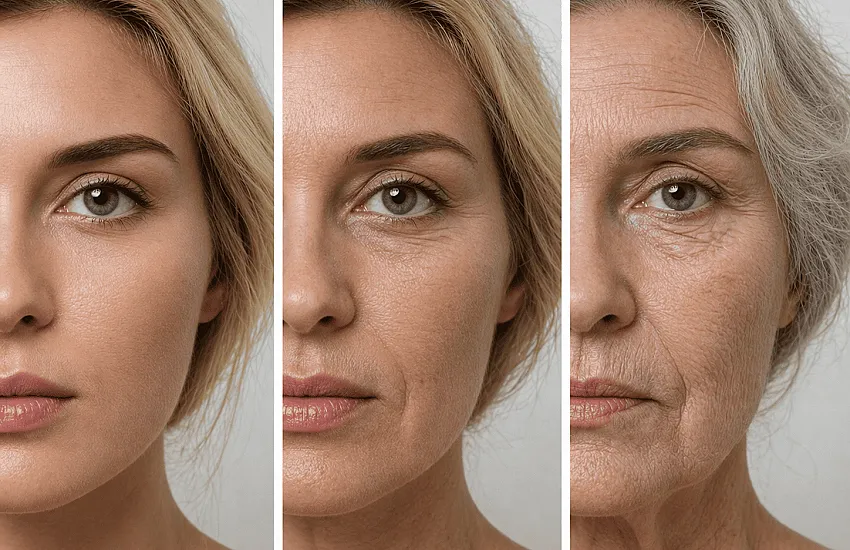
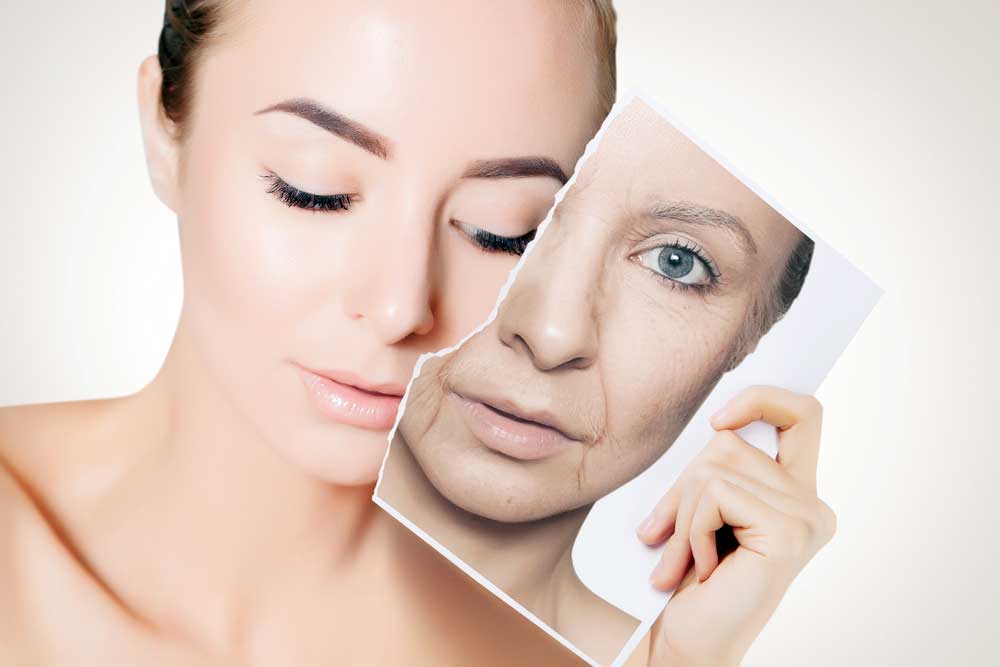
However, there are certain signs that may indicate the body is not coping with an excess of free radicals. These include: - chronic fatigue, lack of energy despite sleep and rest, - weakened immunity, - accelerated skin aging, loss of firmness, discoloration, - problems with concentration and memory, - difficulty falling asleep, - joint pain, digestive problems, skin inflammations, - hair loss, brittle nails.
How can oxidative stress be reduced?
Lifestyle is important. Regular physical activity, a balanced diet rich in vegetables and fruits, avoiding tobacco smoking, limiting alcohol, and getting enough sleep support the body's natural defense mechanisms.
It is also worth avoiding excessive psychological stress, moving regularly (walking, cycling), avoiding stimulants, and taking care of your sleep.
In the fight against oxidative stress, antioxidant supplementation can support the body.
Important roles in neutralizing free radicals are played by: - vitamin C – a very strong antioxidant that supports immunity and regeneration, - vitamin E – protects cell membranes from damage by free radicals, - selenium and zinc – trace elements necessary for the function of antioxidant enzymes, - coenzyme Q10 – cares for mitochondria (the energy center of cells), - polyphenols and flavonoids (e.g., from green tea, turmeric, grapes) – natural plant compounds with strong protective effects, beneficial for the cardiovascular system, brain, and skin.
It should be remembered that a healthy, varied diet often covers the need for antioxidants.
This is definitely a better solution than turning to pills, which may not be absorbed effectively or may act differently in combination with other ingredients.
Therefore, first enrich the diet with products rich in natural antioxidants, such as berries, nuts, green vegetables, olive oil, cocoa, herbal teas, and also limit what produces free radicals (processed foods, stimulants, stress, pollution).
How can hydrogen inhalations help?
Hydrogen-oxygen inhalations also slow down the aging processes that oxidative stress significantly accelerates.
They involve inhaling a gas mixture that contains molecular hydrogen. In Poland, a leading manufacturer of hydrogen inhalers is the domestic brand HOCELL.
Their generators are available for purchase or rental on favorable terms at the Active Hydrogen Life Studio. Why is it worth it?
Hydrogen is the smallest and lightest element.
Its molecules are as much as 176 times smaller than a vitamin C molecule and as much as 863 times smaller than coenzyme Q10, which allows them to easily penetrate cell membranes and reach places where other antioxidants cannot.
They therefore have the potential to neutralize the most aggressive radicals without disturbing natural biological processes. Molecular hydrogen also activates the Nrf2 pathway, one of the most important defense mechanisms of the body against oxidative stress and inflammation.
Nrf2 is a protein that—when activated—travels to the cell nucleus and there switches on genes responsible for the production of antioxidant enzymes, including catalase and superoxide dismutase.
Such activation of the internal antioxidant factory is not only effective but also long-lasting.
Hydrogen inhaled during inhalations also shows the ability to support mitochondrial function—it reduces their oxidative burden and improves the efficiency of energy production in the form of ATP.
Studies suggest that improving mitochondrial condition may increase cells' resistance to aging processes.
Hydrogen—by lowering levels of pro-inflammatory cytokines—also inhibits degenerative processes.
It stimulates the production of anti-inflammatory cytokines, which helps restore balance in immune system function and promotes the protection of tissues from long-term damage.
It affects the expression of genes responsible for glucose and lipid metabolism, which supports cellular metabolic processes.
It slows the shortening of telomeres, the end segments of chromosomes that serve a protective function and prevent damage to genetic material during cell division.
Properly functioning autophagy is essential for maintaining normal cellular functions and overall health.
It is a natural 'tidying' process within the cell.
Molecular hydrogen supports the activation of this mechanism, which promotes the elimination of toxins and delays aging processes.
This is particularly important in the prevention of neurodegenerative and cancerous diseases, where the removal of damaged structures can prevent further cellular damage.
Molecular hydrogen also supports skin regeneration, which is particularly exposed to free radicals and inflammatory conditions.
It stimulates the production of collagen and elastin, which translates into improved firmness, hydration, and an overall rejuvenating effect on the skin.
Oxidative stress cannot be completely eliminated, but its negative effects can be significantly reduced. Caring for the oxidative-antioxidant balance is an investment in cellular health, immunity, and longevity.
The content on our services is for informational and educational purposes and does not replace medical consultation. Before making health decisions, consult a specialist.